
Understanding Adenomyosis: Symptoms, Causes & Your Path to Relief
Table Of Content
- Riddhi's Story and the Reality of Adenomyosis
- What is Adenomyosis?
- Adenomyosis Symptoms: Recognising the Red Flags
- Adenomyosis Causes: What We Know
- Diagnosing Adenomyosis: Seeking Answers
- Adenomyosis Treatment: Finding Your Path to Relief
- Adenomyosis Without Intervention: The Cost of Waiting
- Fertility Challenges: A Growing Concern
- Related Gynaecological Conditions
- Hope and Support: Tackling Adenomyosis In India
- Your Journey to Knowledge, One Story at a Time
- The Answers You've Been Looking For
- References:
Riddhi's Story and the Reality of Adenomyosis
Remember Riddhi from our pages on period pain? For years, she experienced periods that were not just painful, but also incredibly heavy and prolonged, mostly lasting more than seven days. She would go through multiple sanitary pads and felt a constant, heavy pressure in her lower abdomen, as if her uterus was swollen. She would feel exhausted all the time, a kind of fatigue that even a good night’s sleep couldn’t fix. Unlike many of her friends, her pain was debilitating. Yet, instead of seeing it as a sign of something wrong, she saw her ability to endure period pain as a mark of strength, a “badge of honour” that made her feel tougher than others. She never discussed her symptoms with her mother or a gynaecologist, convincing herself that this pain was simply her normal.
But as the pain and exhaustion took their toll, her mental health began to suffer. She became increasingly anxious about her periods, constantly worried about when the next cycle would hit and whether she would be able to go to college or meet her friends. The emotional burden of the pain and the constant fatigue led to a breakdown one day, a moment of raw vulnerability that forced her to confront the fact that she couldn’t “brave” this period pain alone anymore. It was only after this mental toll became unbearable that she decided to seek medical help.
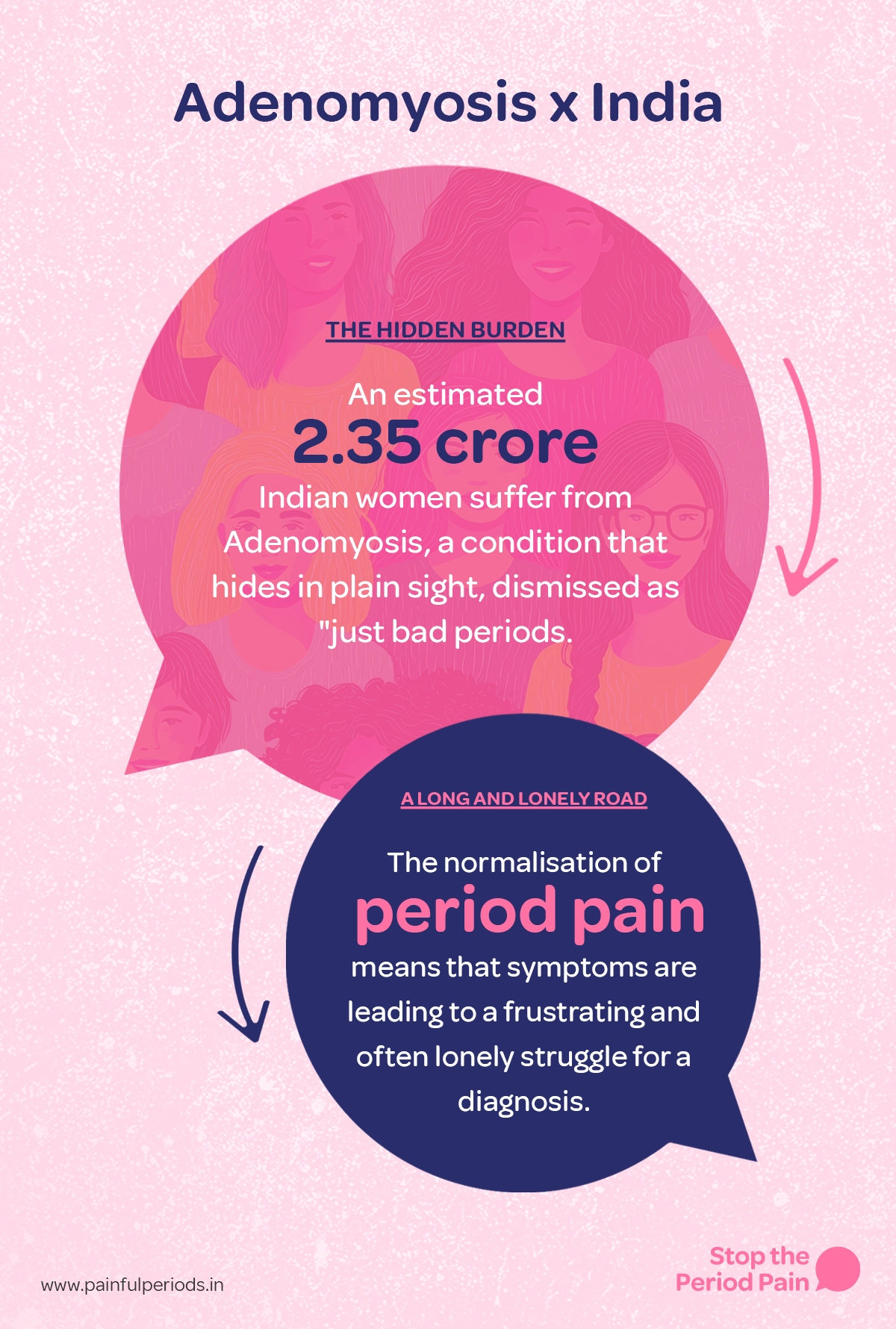
Riddhi’s story is also a common one – Adenomyosis. It is a condition often mistaken for just a little more severe period pain, but nevertheless a part of a girl’s life. It’s a condition where the symptoms—from heavy bleeding to chronic fatigue—can be debilitating, yet are often dismissed, leading to a significant delay in diagnosis and treatment.
Adenomyosis affects an estimated 23.5 million women in India. The Indian Journal of Obstetrics and Gynecology Research estimates a prevalence rate of 6- 39% for adenomyosis with the typical age range of 35 years to 50 years.
This page is dedicated to understanding adenomyosis: what it is, its symptoms, potential causes, and the available treatments that can offer significant relief, just like Riddhi eventually found.
What is Adenomyosis?
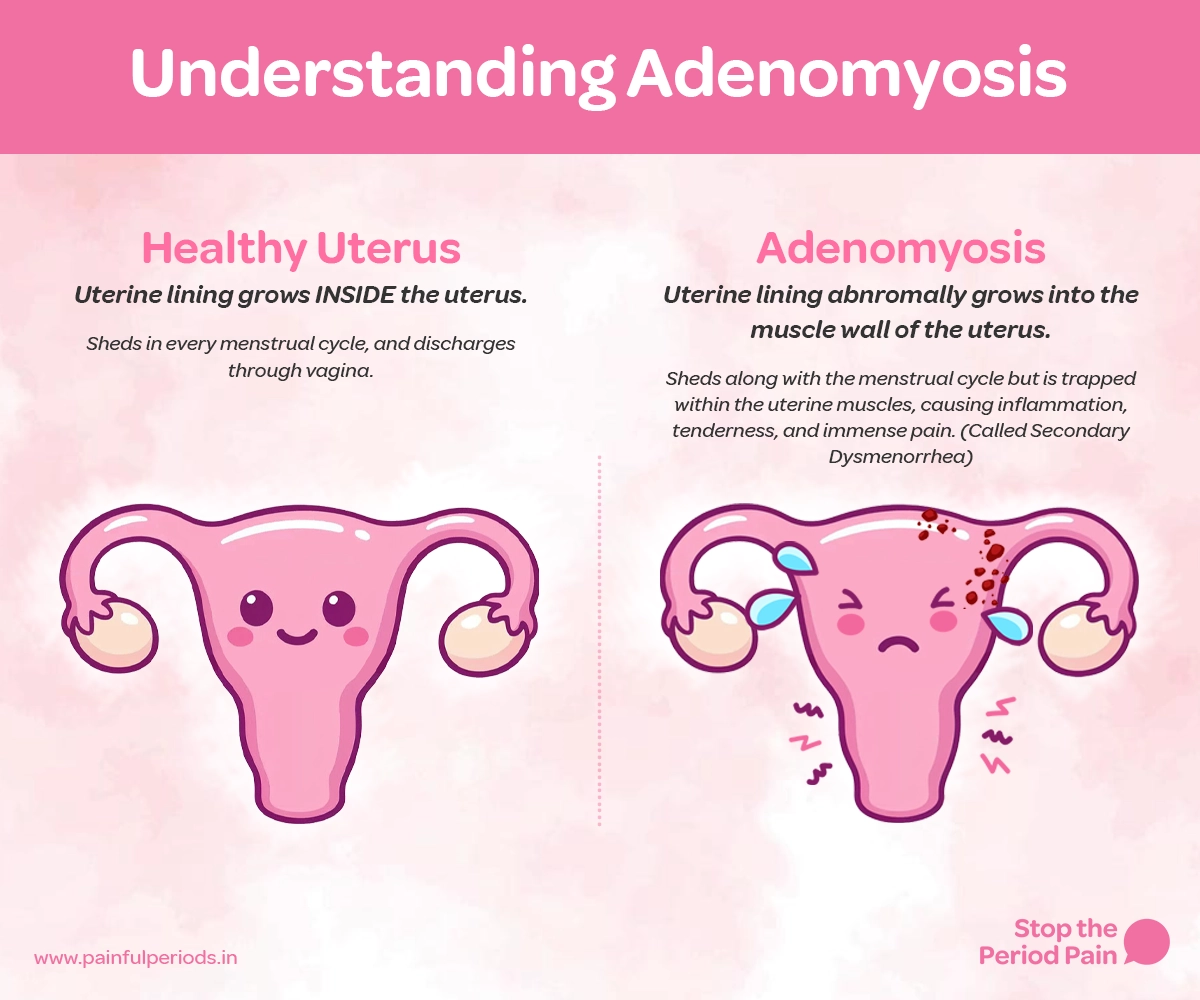
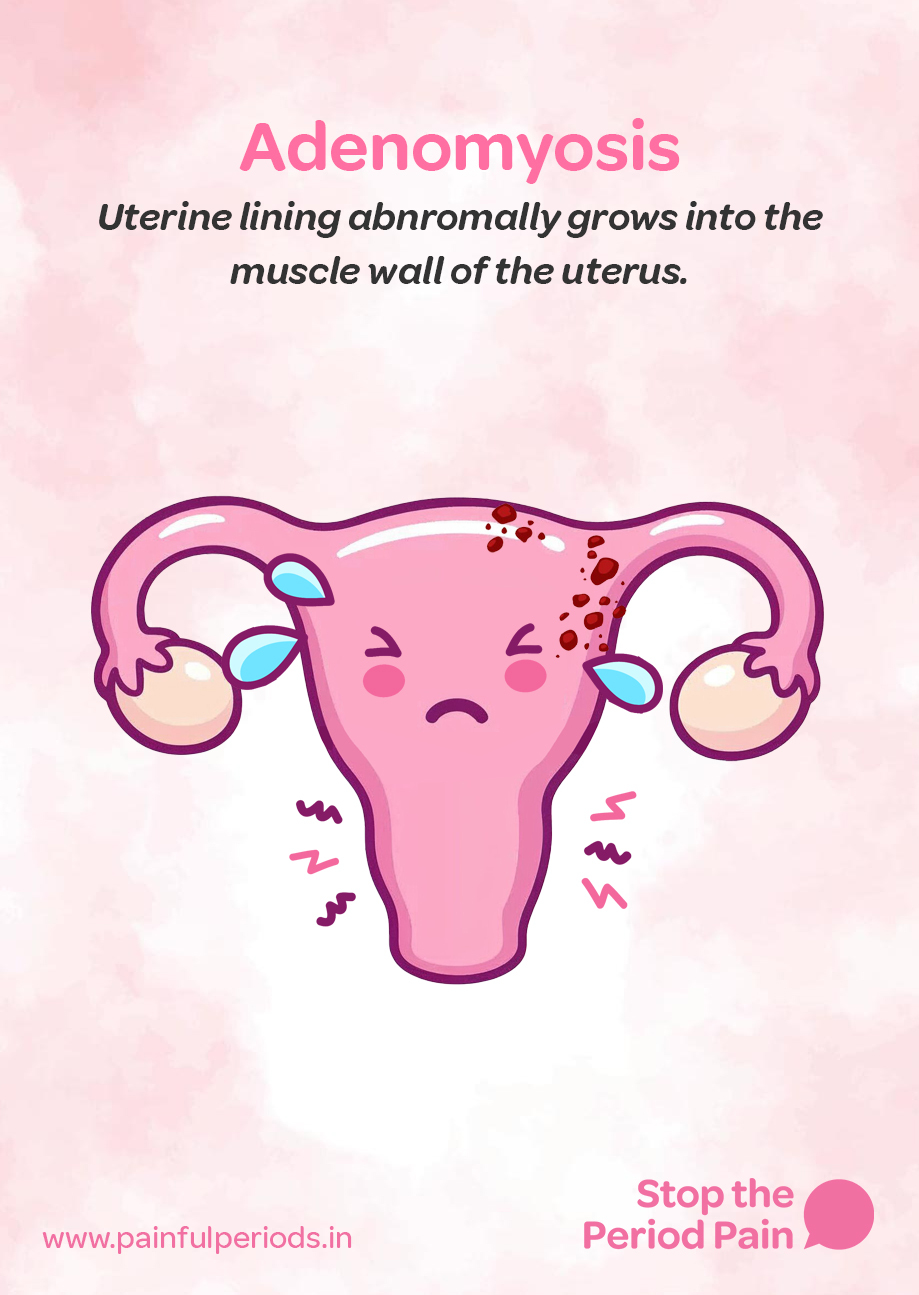
Adenomyosis is a condition where the tissue that normally lines the uterus (the endometrium) grows into the muscular wall of the uterus (the myometrium). This misplaced tissue continues to function as it should – thickening, breaking down, and bleeding with each menstrual cycle. Because this blood is trapped within the muscle wall, it causes the uterus to become enlarged, swollen, and tender, leading to intense pain, heavy bleeding and other symptoms.
Adenomyosis Symptoms: Recognising the Red Flags
While the primary symptom of endometriosis is often severe menstrual pain (dysmenorrhea), it’s crucial to recognise that the pain associated with endometriosis is often more intense and can differ from typical period cramps. Many women with endometriosis describe pain that significantly impacts their daily life. If you are wondering how you know if your painful periods are due to endometriosis, or if you are curious about what are the first signs of endometriosis, paying close attention to these symptoms is key.
Common Adenomyosis Symptoms
Severe Period Pain
Severe cramping or sharp, knifelike pelvic pain during menstruation (dysmenorrhea)
Heavy Bleeding (Menorrhagia)
Needing to change a pad or tampon every one to two hours or more frequently for several consecutive hours.
Prolonged Periods (Menorrhagia)
Menstrual bleeding that lasts for more than seven days.
Blood Clots
Passing blood clots that are larger than a coin (or about 2 cm in diameter).
Chronic Pelvic Pain
Many women with adenomyosis experience a feeling of tenderness, pressure, or chronic pain in their lower abdomen that isn’t limited to their menstrual cycle.
Pain During Intercourse
This is a common symptom due to the enlarged and tender uterus.
Enlarged Uterus
A doctor may be able to feel that the uterus is enlarged during a physical exam.
Bloating
Bloating or fullness in your body.
Anemia
Due to heavy blood loss, women with adenomyosis can develop anemia, leading to fatigue, dizziness, and weakness.
Infertility
Adenomyosis can sometimes make it difficult to conceive.

Adenomyosis Causes: What We Know
The exact cause of adenomyosis is not fully understood, but some theories exist. Unlike endometriosis, which is often linked to retrograde menstruation, adenomyosis is thought to be caused by a breakdown of the barrier between the uterine lining and the muscular wall, allowing the endometrial cells to invade. Researchers also believe that factors such as prior uterine surgery (like a C-section), multiple childbirths, genetics, and hormonal factors may play a role.
Diagnosing Adenomyosis: Seeking Answers
If you suspect you might have adenomyosis based on your symptoms, the first step is to consult a gynaecologist. They will listen to your detailed medical history and use common diagnostic methods to understand if you have adenomyosis:
Pelvic Exam
A physical examination to check for any abnormalities.
Ultrasound or MRI
Imaging techniques that can help identify the thickening of the uterine wall and other signs of the disease.
Definitive Diagnosis
The only definitive way to confirm adenomyosis is by examining the uterus after a hysterectomy. However, advanced imaging and clinical symptoms are often enough for a diagnosis.
Do you suspect your period pain could be Adenomyosis?

Adenomyosis Treatment: Finding Your Path to Relief
While a hysterectomy is the only definitive cure for adenomyosis, effective treatments are available to manage symptoms and significantly improve quality of life, especially for women who want to preserve their fertility. The best treatment approach will depend on the severity of your symptoms and your individual circumstances.
Your gynaecologist will discuss various treatment options, which may include:
- Pain Medication: Prescription based non-steroidal anti-inflammatory drugs (NSAIDs) can help manage pain. Since such pain medications are non-steroidal, they are absolutely safe to consume.
- Hormonal Therapy: Medications like birth control pills or hormonal IUDs can help manage the growth of the tissue and control symptoms.
- Uterine Artery Embolisation: This is a newer, less invasive procedure that blocks blood flow to the affected area, causing the adenomyosis to shrink.
- Surgery: In more severe cases, a hysterectomy (removal of the uterus) may be recommended, which cures the condition entirely.
Adenomyosis Without Intervention: The Cost of Waiting
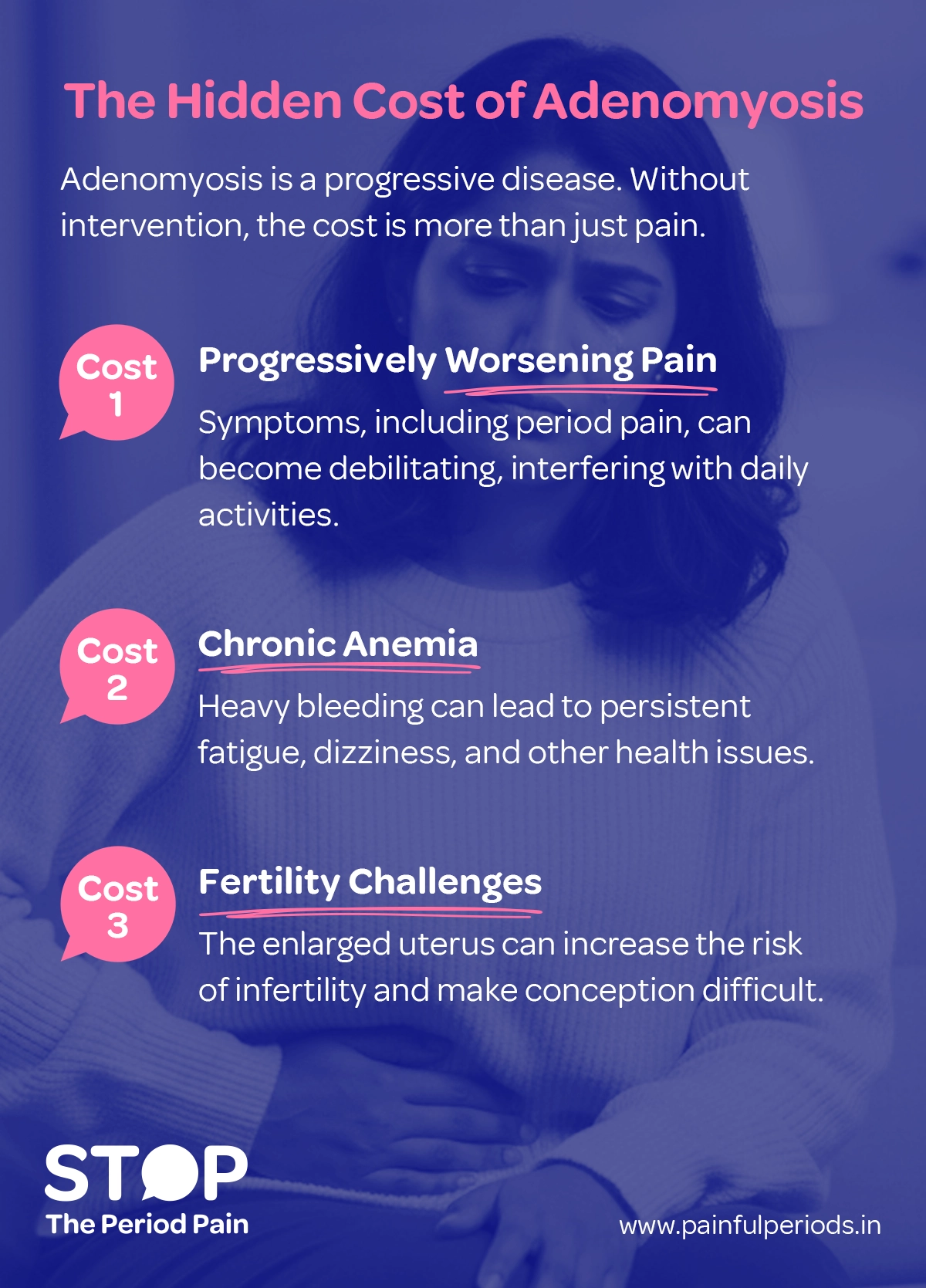
Like many progressive diseases, adenomyosis can worsen over time without intervention. The normalisation of pain and the delay in diagnosis often mean that women in India don’t receive treatment until the disease has progressed significantly. This inaction comes at a personal and societal cost that goes far beyond simple physical discomfort.
Here’s a look at what can happen with no intervention:
Progressively Worsening Pain: The Impact on Daily Life
The symptoms that were once manageable with medication can become debilitating, leading to more missed school days for young women and decreased productivity at work for adults. This significantly reduces a woman’s quality of life and can affect her social life, career, and education.
Chronic Anemia: The Added Burden
The heavy menstrual bleeding that is a hallmark of adenomyosis can lead to chronic anemia. This is a particularly critical point in India, where an estimated 49% of women of reproductive age already suffer from anemia. The added blood loss from untreated adenomyosis can severely worsen this pre-existing condition, causing persistent fatigue, weakness, and an increased risk of other health complications.
Fertility Challenges: A Growing Concern
As the uterus becomes more enlarged and its function is impaired by adenomyosis, the risk of infertility and miscarriage can increase. In a society where family planning and childbearing are often central to a woman’s life, the impact of untreated adenomyosis on fertility can be a significant source of emotional distress and a barrier to a woman’s sense of fulfillment and well-being.
Related Gynaecological Conditions
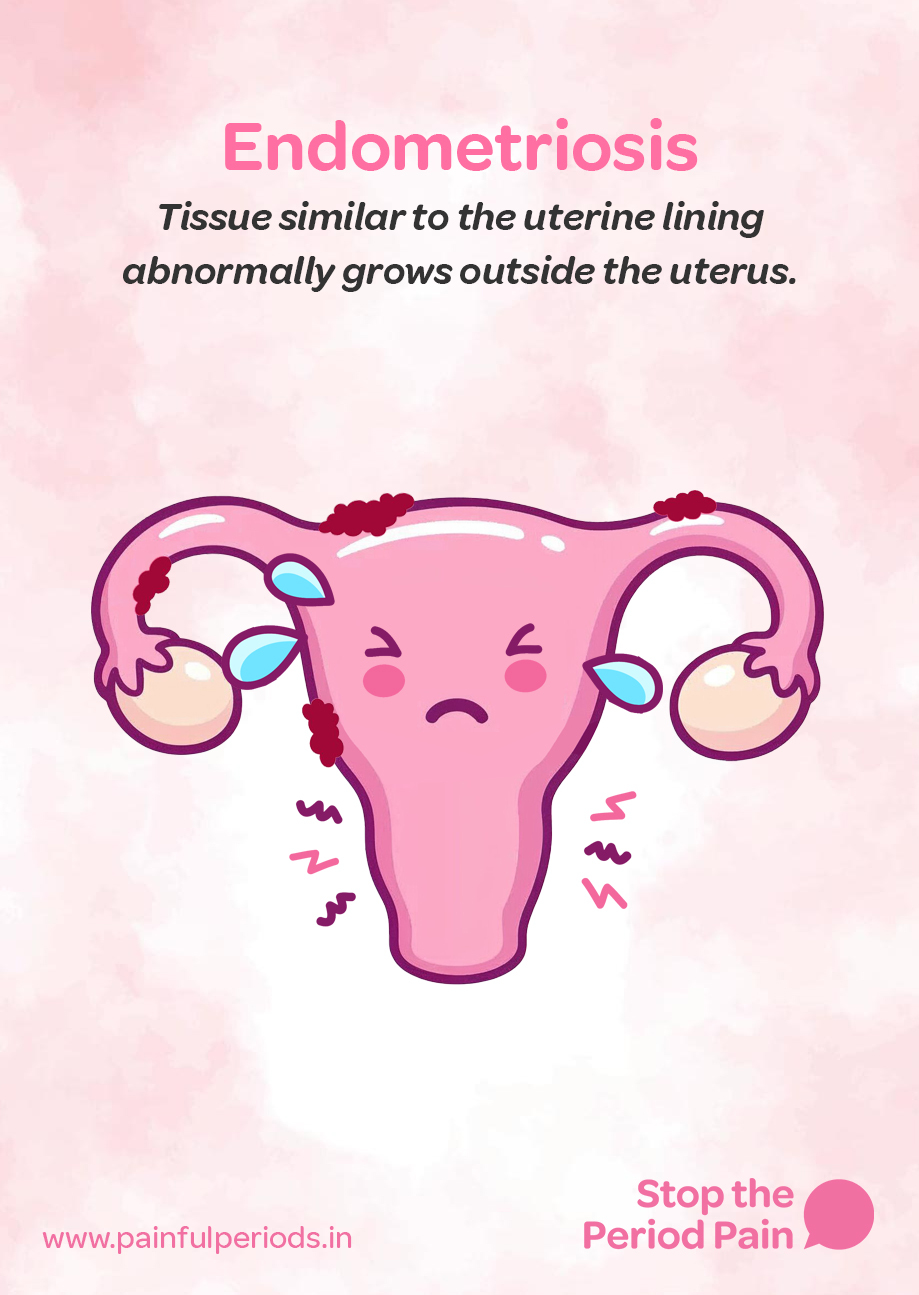
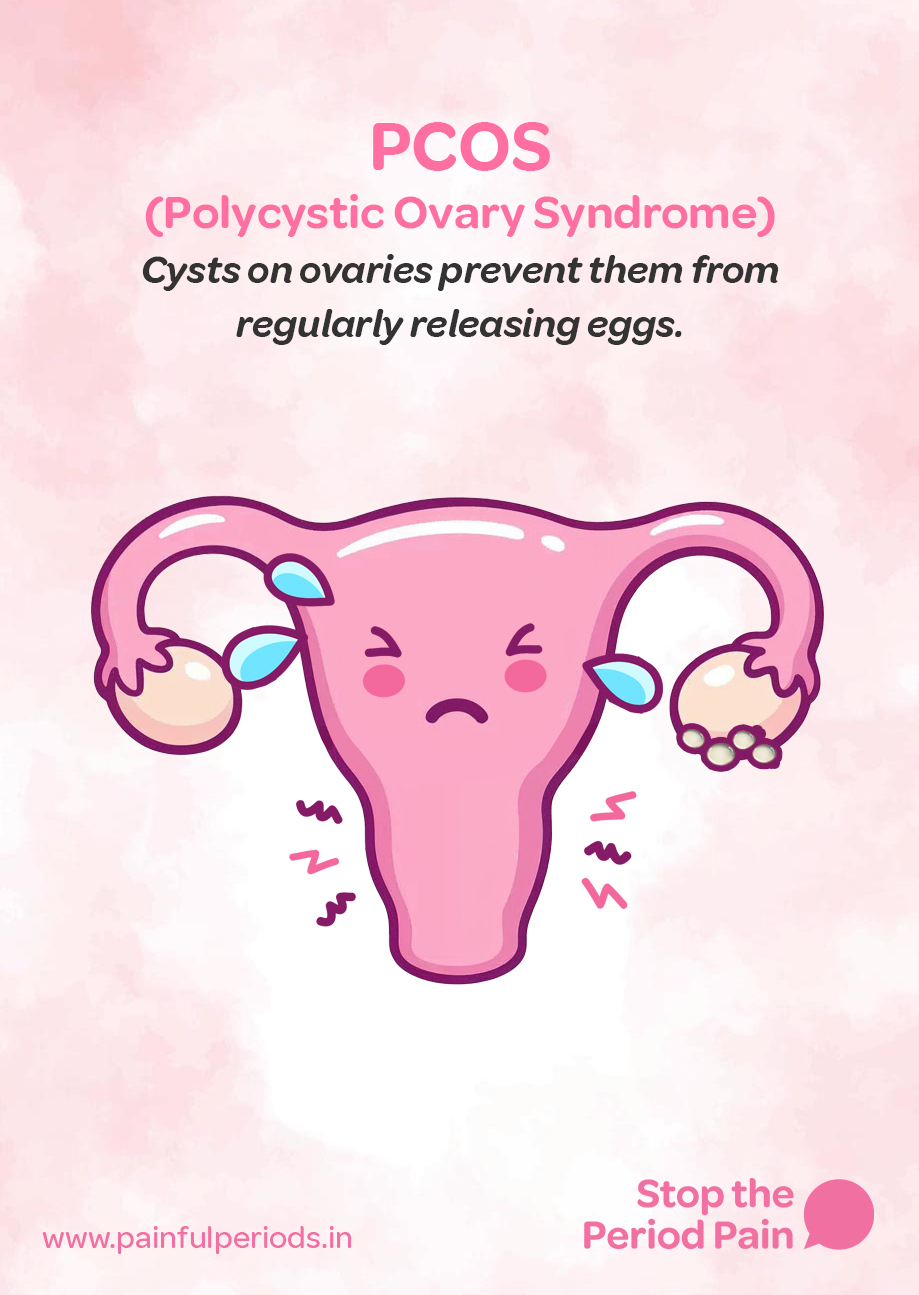
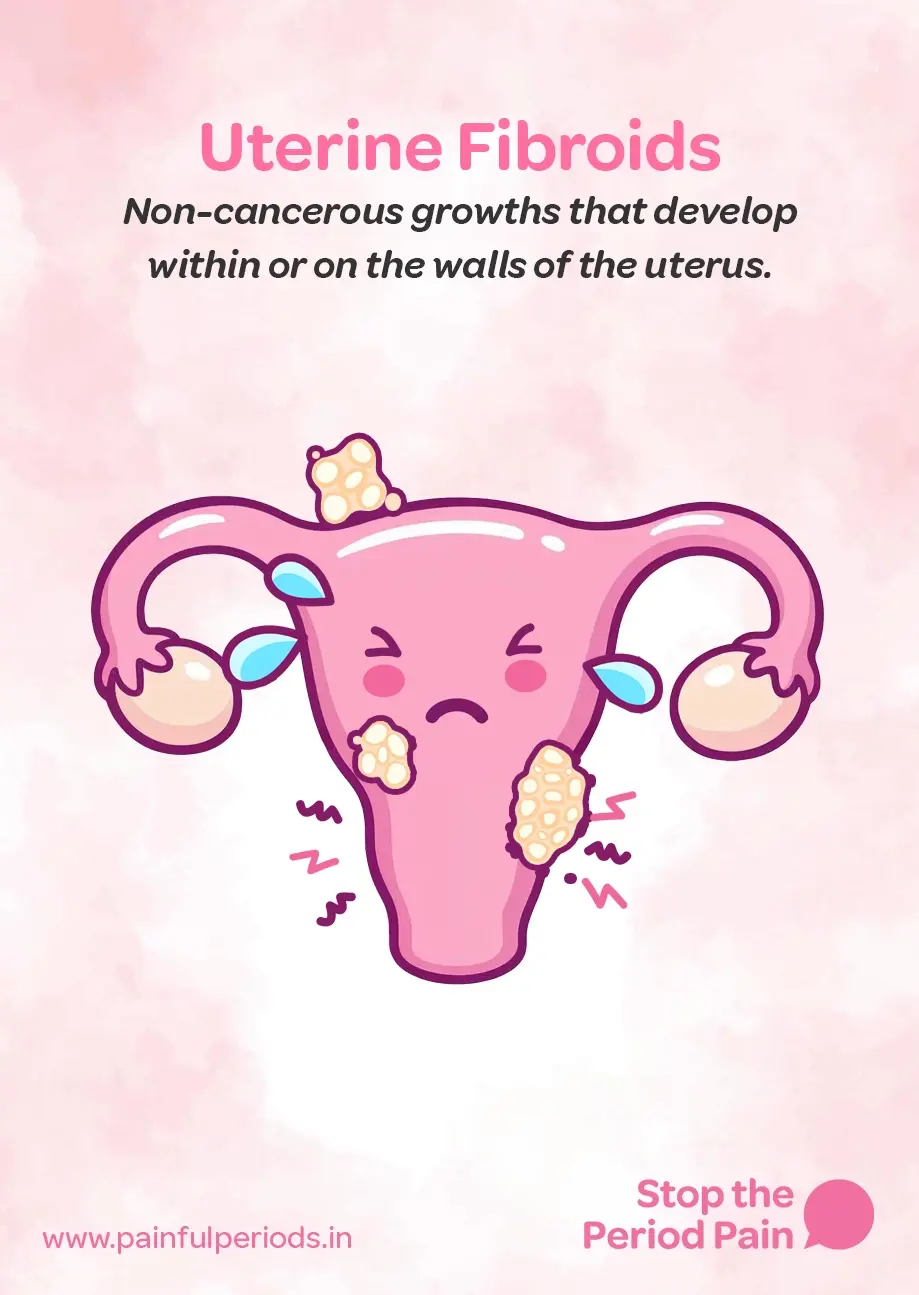
If you are diagnosed with adenomyosis, your gynaecologist may also check for other related conditions such as Endometriosis and PCOS, as these conditions can sometimes coexist or share similar symptoms. We also have a dedicated guide on Uterine Fibroids.
Hope and Support: Tackling Adenomyosis In India
Just like Riddhi, who found relief and a renewed sense of well-being after her diagnosis and intervention, there is hope for managing adenomyosis and living a full and active life. The pain of adenomyosis is often dismissed in India as “just a part of being a woman,” leading to years of suffering and misdiagnosis. But this narrative can and must change. By empowering our girls with knowledge and creating supportive systems, we can ensure early intervention for those who need it most.
A crucial part of this is breaking the silence and fostering open conversations about menstrual health. In many parts of India, discussing periods openly is still a taboo subject, which often prevents women and young girls from seeking help. Riddhi’s journey, from silently enduring the pain to finally seeking a diagnosis, highlights the immense courage it takes to break this cycle. Her story serves as a powerful reminder that while enduring pain may seem like a strength, true strength lies in seeking help and prioritising one’s health.
To increase adenomyosis, we recommend the following action plan:
Expand Period Education Beyond Hygiene
School curricula should move beyond basic menstrual hygiene to include comprehensive Period Pain Workshops. These workshops should educate girls on the signs of common disorders like period pain & adenomyosis, empowering them to recognise and seek help for abnormal symptoms.
Establish Accessible Period Health Points
Schools and colleges should have designated “Period Health” counselors or nurses. This creates a safe, non-judgmental space where girls can discuss their symptoms and get professional advice without fear of stigma.
Role of Govt. Policy
Initiatives under “Beti Bachao, Beti Padhao” can increase awareness, promote early diagnosis, and ensure access to comprehensive care for women suffering from adenomyosis.
Remember, the journey toward healing begins with one voice. It begins with the courage to speak up, to challenge the idea that period pain is something to be silently endured. By sharing your story, seeking support from healthcare professionals, and connecting with others who understand, you not only find a path to relief for yourself but also become a part of a larger movement to change the narrative for every woman.
Your Journey to Knowledge, One Story at a Time
Transform your understanding of PCOS through engaging and informative stories based on real medical insights.
The Answers You've Been Looking For
Get clear, concise answers to your most pressing questions about PCOS.
- What is the cause of period pain?
- How Can I Tell If My Cramps Are Due to Adenomyosis?
- Does adenomyosis cause pain when not menstruating?
- When to see a doctor for painful periods?
- What will a gynaecologist do for painful periods?
- What are the symptoms of period pain?
- Why is my period so clotty and painful?
- What do large blood clots during period mean?
Your Journey to #StopThePeriodPain Starts Here
Every month, millions of Indian girls & women suffer in silence, told that their severe period pain (dysmenorrhea) is “normal.” Our mission is to break that silence. #StopThePeriodPain campaign is here to empower you with 3 simple truths:
References:
- International Journal of Reproduction, Contraception, Obstetrics and Gynecology
- Journal of Ayurveda and Integrated Medical Sciences
- Indian Journal of Obstetrics and Gynecology Research
- Max Healthcare, Adenomyosis Treatment
- Apollo Hospitals, Adenomyosis: Symptoms, Causes, and Treatments
- Fortis Healthcare, All You Need to Know About Adenomyosis
- Healthcare Radius, Noninvasive treatment for Adenomyosis introduced
- Pristyn Care, Adenomyosis